

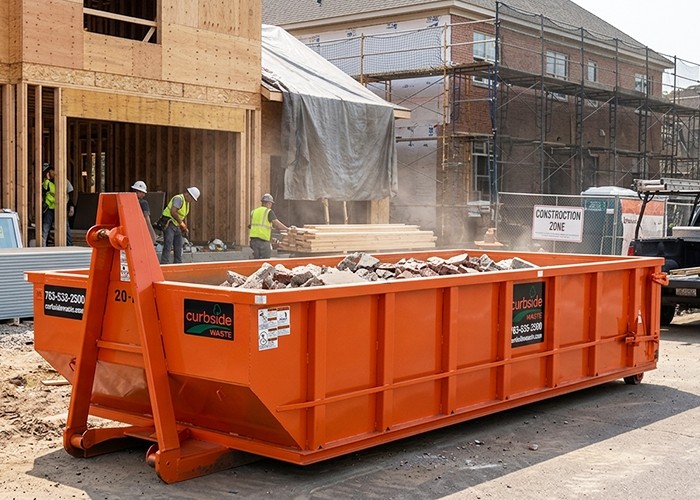
Summary: This blog explains how dumpster use creates control by keeping debris contained, improving placement strategy, and reducing repeated handling. It shows how proper loading, timing, and disposal flow prevent delays and confusion, helping large cleanouts stay organized, faster, and easier to complete from start to finish.
A room clears out fast in the beginning. Then junk starts spreading into other areas. Soon, walking space shrinks and progress drops. That shift happens in most large cleanouts. Using dumpster rental for junk removal Minneapolis during that stage keeps waste under control and prevents the project from turning into a slow, messy process.
How Dumpster Rental for Junk Removal Works for Large Junk Removal Jobs?
A large junk removal job needs one thing first: control. You bring a dumpster to your space. Then you load waste as you work. After that, the company hauls it away. Simple flow:
- Delivery at your location
- Ongoing loading during cleanup
- Final pickup when full
So, instead of stopping to figure out disposal, you keep moving. That’s the real advantage.
Why Large Junk Jobs Break Without Controlled Waste Flow?
Large cleanups fail when waste piles block your work. You start strong. But then junk spreads across rooms, hallways, or job sites. Movement slows down. Energy drops. Without control:
- Workers step around clutter
- Sorting takes longer
- Cleanup turns into rework
But with a dumpster, waste moves out as work moves forward. That flow keeps everything smooth.
How Dumpster Placement Impacts Cleanup Speed and Effort?
Placement is not random. It changes how fast you finish. If the dumpster sits too far:
- You walk more
- You waste time
- You lose energy
If it sits close:
- You dump faster
- You clear space quickly
- You stay focused
Also, good placement reduces back-and-forth trips. That’s why smart positioning matters as much as the dumpster itself.
What Happens When Waste Volume Gets Misjudged Early?
People often guess wrong at the start. They think the waste is “manageable.” Then piles grow fast. When volume gets misjudged:
- Bins overflow
- Work pauses
- Extra steps appear
This is where residential junk removal dumpsters Minneapolis becomes useful. They give room to adjust without stopping the project. So, instead of reacting late, you stay ahead.
How Load Sequencing Keeps Heavy and Light Debris Balanced?
Loading a dumpster is not random. You need a simple order. Start with:
- Heavy items like furniture or wood
- Then medium debris
- Then light waste on top
This keeps:
- Space optimized
- Weight balanced
- Loading safe
Also, it prevents gaps that waste space. Small method. Big impact.
Why Continuous Disposal Beats End-of-Project Cleanup?
Some people wait until the end to remove junk. That slows everything down. When waste stays on-site:
- Space gets tight
- Movement gets blocked
- Stress builds up
But continuous disposal changes that. You throw items as you go. So:
- Work areas stay clear
- Progress stays steady
- Cleanup feels easier
That’s how large jobs stay under control.
How Dumpster Use Changes Workflow During Large Cleanouts?
Without a dumpster, your focus splits. You clean, then stop, then think about disposal. With a dumpster:
- You act instantly
- You decide faster
- You avoid second handling
Also, your brain stays on one task, clearing. That improves speed and reduces fatigue.
What Slows Down Large Junk Removal Jobs Without Proper Setup?
Most delays don’t come from effort. They come from setup issues. Common problems:
- Junk piles block entry points
- Tools get buried under debris
- Waste gets moved twice
All this eats time. A dumpster removes these barriers early. So, your cleanup stays direct, not messy.
How Contractors Use Dumpsters to Avoid Job Site Bottlenecks?
On job sites, time matters every hour. Debris builds up fast: wood, drywall, tiles.
Without control:
- Workers slow down
- Safety risks increase
- Deadlines slip
With dumpsters:
- Crews dump waste quickly
- Work zones stay clear
- Tasks move without delay
That’s why contractors rely on this system every day.
Why Temporary Dumpsters Work Better Than Multiple Disposal Trips?
Handling junk without a dumpster sounds simple. But reality looks different. You end up:
- Driving back and forth
- Loading and unloading again
- Losing hours
A dumpster removes all that. You load once. Then you’re done. That saves time and effort in a big way.
How Pickup Timing Affects Project Completion Speed?
Timing matters more than people think. If pickup happens too late:
- Dumpsters overflow
- Work pauses
If pickup happens at the right time:
- Space stays available
- Work continues without breaks
Also, planned pickup keeps your schedule clean. So, timing is not a small detail; it drives completion speed.
How Hidden Rework Happens When Junk Blocks Work Zones?
Most people don’t notice this problem early. Junk piles don’t just sit there; they quietly force work to happen twice. A worker clears a space, starts the job, and then has to move the same debris again because it was never fully removed. That is hidden rework.
This slows everything down without making it obvious. Crews feel busy, but progress stays low. Tools get shifted from one corner to another. Materials get rechecked and rehandled.
A dumpster removes this loop completely. Waste leaves the site once. So, workers don’t circle back to the old mess again and again. That keeps effort clean, direct, and focused on actual progress instead of repeated cleanup.
Final Remarks
Large junk removal jobs need structure, not guesswork. When waste moves in a clear flow, work feels lighter and faster. That’s why dumpster rental for junk removal Minneapolis plays a key role in keeping projects smooth, organized, and on track from start to finish.
Curbside Waste handles real cleanup needs with simple, direct service. We deliver dumpsters, manage pickup, and keep your job moving without delays. Our approach fits homeowners, contractors, and property managers who need control during big cleanouts. If you want your project to stay clean and steady, we make the process easy from start to finish.
Frequently Asked Questions
(1) When should I use a dumpster for junk removal?
Use a dumpster when waste spreads quickly, fills bins fast, or starts slowing your cleanup progress across spaces.
(2) How does a dumpster improve large cleanup efficiency?
It keeps waste in one place, reduces movement, avoids repeated handling, and helps maintain a steady cleanup flow.
(3) Can I load different types of junk in one dumpster?
Yes, most general waste goes together, but hazardous materials require separate disposal based on local handling rules.
(4) What mistakes slow down junk removal projects the most?
Poor waste planning, bad placement, and delayed disposal often cause clutter buildup, rework, and unnecessary time loss.
(5) How does dumpster placement affect cleanup speed?
Close placement reduces walking time, speeds up dumping, and keeps work areas clear for faster and smoother progress.