

Summary: This blog explains how structured waste disposal keeps sites clear, restores access paths, and prevents delays during crew handoffs. It highlights how timely cleanup, smart dumpster placement, and continuous waste removal keep construction flow steady, organized, and free from operational interruptions.
Construction jobs don’t slow down during heavy work. They slow down in the gaps between tasks. One crew leaves, debris stays, and the next crew loses time clearing space before starting. In those moments, waste disposal for construction keeps the site ready so work restarts without delays or confusion.
What Waste Disposal for Construction Fixes Between Work Phases?
Between phases, the site does not pause cleanly. It breaks the flow. Debris sits where the last task ended. Tools get buried. Access paths shrink. So, what actually gets fixed?
- Work zones get cleared before the next crew arrives
- Access routes open up again
- Tools and materials become easy to reach
This is not just a cleanup. It is a reset that protects momentum.
Where Debris Actually Builds Up During Phase Transitions
Debris does not spread randomly. It collects in predictable spots. You will usually see buildup:
- Near entry points
- Along material drop zones
- Around cutting and demolition areas
These areas matter most because crews use them constantly. So, when waste sits there, every step slows down. Also, workers start shifting debris instead of removing it. That creates double work later.
What Breaks First When Debris Stays Between Tasks?
The first thing that breaks is not speed. It is coordination. Here’s what happens:
- Crews arrive but cannot start right away
- Tools go missing under waste
- Setup time increases
Then, delays stack up. One small blockage leads to:
- Late task starts
- Rushed work
- Mistakes that need fixing
All because the waste stayed in the way.
How Dumpster Placement Shapes Crew Movement and Speed?
Placement controls effort more than people think. If the dumpster sits far:
- Workers walk longer distances
- Energy drops faster
- Loading slows down
If it sits close to active zones:
- Debris gets dumped instantly
- Work areas stay open
- Crews stay focused
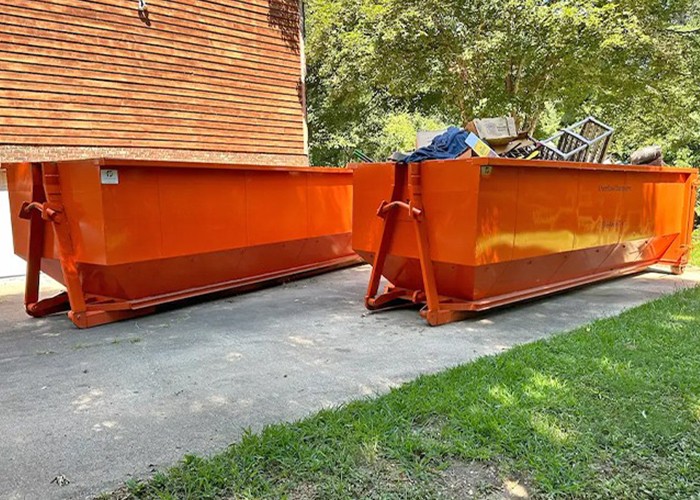
The heavy-duty construction dumpsters Minneapolis work best when placed near high-debris zones, not at the edge of the site. That small shift saves hours over a full project.
Why End Phase Cleanup Fails on Active Construction Sites?
Waiting until the end sounds simple. But it rarely works. During active builds:
- Debris grows faster than expected
- Space disappears
- Work gets harder each day
End-phase cleanup creates a pile-up problem. Instead, clearing waste between phases keeps the site usable. So, instead of one big cleanup, you maintain control every day.
How Waste Disposal for Construction Prevents Crew Handoff Delays?
Construction moves in sequences. One crew finishes. Another takes over. If waste stays:
- New crews spend time clearing space
- Work overlaps poorly
- Productivity drops
But with proper disposal:
- Each crew starts with a clean zone
- Tasks begin on time
- Transitions stay smooth
This keeps the entire schedule intact.
How Load Sequencing Stops Rehandling and Space Loss?
Dumping debris without a plan wastes space. A simple loading order fixes that. Start with:
- Heavy items at the base
- Medium debris in the middle
- Light waste on top
This keeps:
- Space fully used
- Loads balanced
- Dumpsters efficient
Also, it prevents rehandling, which wastes time and effort.
What Slows Down Work First When Waste Control Fails?
Work does not stop suddenly. It slows step by step. You will notice:
- Workers take longer routes
- Tools need searching
- Tasks start later than planned
These small delays stack up. Soon, the project feels stuck. Waste control removes these slowdowns early before they grow.
How Real-Time Disposal Keeps Construction Flow Stable?
The best sites do not wait to be cleaned. They remove waste as work happens. This creates:
- Open work areas at all times
- Faster decision-making
- Less physical strain on crews
Also, real-time disposal keeps momentum strong. So, instead of stopping to clean, teams keep moving forward.
Why Waste Disposal for Construction Matters More Between Phases Than During Work?
During active work, crews stay focused. Between phases, confusion starts. That gap creates:
- Idle time
- Blocked movement
- Miscommunication
This is where waste disposal matters most. It prepares the site for what comes next, not what has just finished.
How Poor Site Staging Creates Hidden Waste Bottlenecks?
Most delays on construction sites don’t come from big mistakes. They come from bad staging. Materials arrive and get dropped wherever space is open. Old debris stays in those same spots. Soon, new materials and waste start mixing.
That mix creates confusion fast. Workers spend extra time figuring out what stays, what moves, and what gets dumped. Also, tools and usable material get buried under scrap piles.
A clean waste flow stops this problem early. When disposal happens in a planned way, staging stays clear. So, crews don’t fight for space. Instead, they work in defined zones that stay open and usable from start to finish.
Let’s Rewind
Construction flow depends on clean transitions, not just hard work. When debris stays between phases, it slows crews, blocks access, and breaks momentum. That is why waste disposal for construction plays a key role in keeping projects moving without friction from one stage to the next.
Curbside Waste supports real construction needs with simple, reliable waste handling. We provide the right dumpsters, manage timely pickups, and help keep sites clear between work phases. Our approach fits contractors who want steady progress without delays. If you need better control over job site flow, they make it easy to stay on track.
Frequently Asked Questions
(1) Why do construction sites slow down between work phases?
Sites slow down because debris blocks access, tools get buried, and crews must clear space before starting new tasks.
(2) How does waste disposal improve construction workflow?
It clears debris early, keeps work zones open, and allows crews to start tasks without delays or repeated handling.
(3) Where should dumpsters be placed for better efficiency?
Dumpsters should sit near high-debris zones so crews can dump waste quickly without walking long distances repeatedly.
(4) What problems happen when debris is not removed on time?
Debris causes blocked paths, lost tools, delayed starts, and extra work, which slows the entire construction process.
(5) How often should construction waste be cleared during projects?
Waste should be cleared between work phases to keep areas ready, prevent buildup, and maintain smooth project flow.