

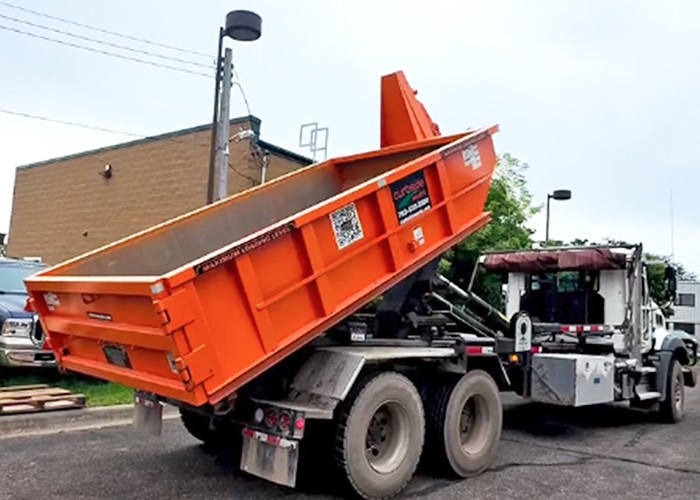
A construction site can go from neat to messy in a hurry. A roofing crew may remove old shingles all day. A remodeling crew may tear out drywall, cabinets, flooring, and wood. The construction and demolition waste services help contractors keep that waste in one place instead of letting it spread across the job site and get in the way of the work.
Why Does Construction Waste Become a Job Site Problem?
Construction waste does more than make a site look untidy. It can take up space that workers need, block access, and make it harder to move tools and materials around.
Think about a kitchen remodel. The crew removes the old cabinets and flooring first. Then comes the drywall. Before long, several piles can fill the room, driveway, or work area.
That waste has to go somewhere.
A roll-off dumpster gives the crew one main place for approved project debris. Workers can toss waste into the container as they work instead of creating separate piles around the property.
That simple change can make a busy project easier to manage.
Construction Projects Create Different Types of Waste
Not every project creates the same kind of debris.
A roofing job may produce large amounts of shingles and related materials. A home renovation may create drywall, wood, flooring, cabinets, fixtures, and cardboard. A commercial renovation can produce a much larger mix of building materials.
Common project waste can include:
- Wood and lumber
- Drywall
- Roofing materials
- Flooring
- Cabinets and fixtures
- Cardboard and packaging
- General building debris
The important part is to check the provider’s rules before loading anything. Some materials may need a different disposal method.
When Does a Project Need a Roll-Off Dumpster?
A roll-off dumpster makes sense when a project creates more waste than normal trash service can handle.
You may need one for:
- Home remodeling
- Roofing work
- Building renovations
- Demolition
- Commercial cleanouts
- Garage or basement cleanouts
- Property renovations
- Larger construction projects
The project name alone does not tell you how much dumpster space you need. A small bathroom remodel and a full-house renovation can both fall under “remodeling,” yet their waste volume can be completely different.
Look at the amount of material you plan to remove and how quickly you expect it to pile up. That gives you a better starting point.
The Right Dumpster Size Depends on the Job
Companies offer 10-, 15-, 20-, 30-, and 40-yard roll-off containers. That range gives customers room to match the container to the size of the cleanup.
A smaller container may work for a limited renovation or cleanout. Medium sizes can fit projects with a steady flow of debris. Larger containers can make more sense for major remodeling, construction, and large cleanouts.
Don’t automatically choose the biggest option.
A container that is too small can fill before the work ends. One that is too large can leave you paying for unused space. Give the waste provider a clear picture of the project so you can make a more sensible choice.
What Should You Check Before Delivery?
The dumpster needs a suitable place to sit.
Before delivery, look at the driveway, job site, or business property. Make sure the truck can reach the spot and that the container will not block doors, equipment, vehicles, or key work areas.
You should also know:
- What materials the dumpster accepts
- What materials it cannot take
- How much waste the project may create
- How long the work should last
- When you may need pickup
It is much easier to sort this out before demolition starts than when the crew already has a pile of debris on the ground.
Keep Waste Moving as the Work Moves
Good cleanup does not mean stopping work every hour for a major cleanup.
Instead, make waste removal part of the job.
When workers finish removing a section of drywall, flooring, or other approved material, they can move it into the roll-off. That keeps loose debris from spreading into walkways and work areas.
For larger jobs, this habit can make a real difference. The crew gets more usable space, and the site does not become a maze of half-finished debris piles.
Also, keep the dumpster within its fill limits. Do not pile waste above the top of the container, and do not place restricted materials inside it.
Where Do Heavy Duty Construction Dumpsters Minneapolis Fit?
Large construction and renovation jobs can produce a steady stream of debris. In those cases, heavy duty construction dumpsters Minneapolis can provide the extra container space a larger project may need.
Consider a commercial renovation where crews remove flooring, walls, fixtures, and other materials over several days. A larger roll-off can give workers somewhere to put that debris as the project moves forward.
But bigger is not always better.
The right container depends on the material, volume, and pace of the work. A contractor handling a short roofing job may have very different needs from a crew gutting an entire commercial space.
Roll-Off Service and Regular Waste Collection Solve Different Problems
A temporary construction dumpster and regular commercial waste service serve different purposes.
A restaurant, office, warehouse, or retail store may need scheduled trash and recycling collection throughout the year. That waste comes from normal business activity.
A renovation creates a temporary spike in waste.
For example, a property manager may have regular waste service for an apartment property. Then a unit needs a major renovation after a tenant moves out. The normal collection service still handles everyday waste, while a roll-off can handle the extra project debris.
That distinction matters because not every waste problem needs the same solution.
Could a Drop-Off Site Work Better for a Smaller Cleanup?
Sometimes, yes.
A small project may not create enough waste to justify a temporary roll-off. In that case, another disposal option may make more sense.
Companies operate public drop-off sites in Dayton, Savage, and Big Lake, Minnesota. These sites accept certain types of waste, including some bulky items and construction debris, according to their rules.
That gives customers another option when they have a manageable amount of approved material.
For a larger project, however, repeated trips can take time away from the actual work. A roll-off keeps the container at the project while the crew handles the job.
In Closing
Curbside Waste supports both project-based and ongoing waste needs across the Twin Cities area. Its services include roll-off dumpsters, residential and commercial waste collection, recycling, organics, yard waste, and public drop-off options. For a contractor, remodeler, roofer, or property manager, that broader range can matter. A project may need a temporary dumpster today and regular waste service tomorrow.
We give local customers a practical way to manage those changing waste needs. With construction and demolition waste services, contractors can keep project debris contained and avoid letting cleanup become another job of its own. A better waste plan means less time dealing with piles of debris and more time getting the work done.
Frequently Asked Questions
- When should I rent a dumpster for a construction project?
Rent one when your project creates more debris than regular trash service can handle or remove efficiently.
- How do I choose the right dumpster size?
Estimate your debris volume and project pace, then discuss those details with the provider before selecting your container.
- What can I put in a construction dumpster?
Accepted materials can include wood, drywall, flooring, roofing materials, fixtures, cardboard, and other approved construction debris.
- Can a small renovation use a roll-off dumpster?
Yes. Smaller roll-off containers can work well when remodeling creates more waste than regular household or business collection handles.
- Is a dumpster better than making disposal trips myself?
For larger projects, a dumpster can reduce repeated disposal trips and keep project debris contained at the job site.