

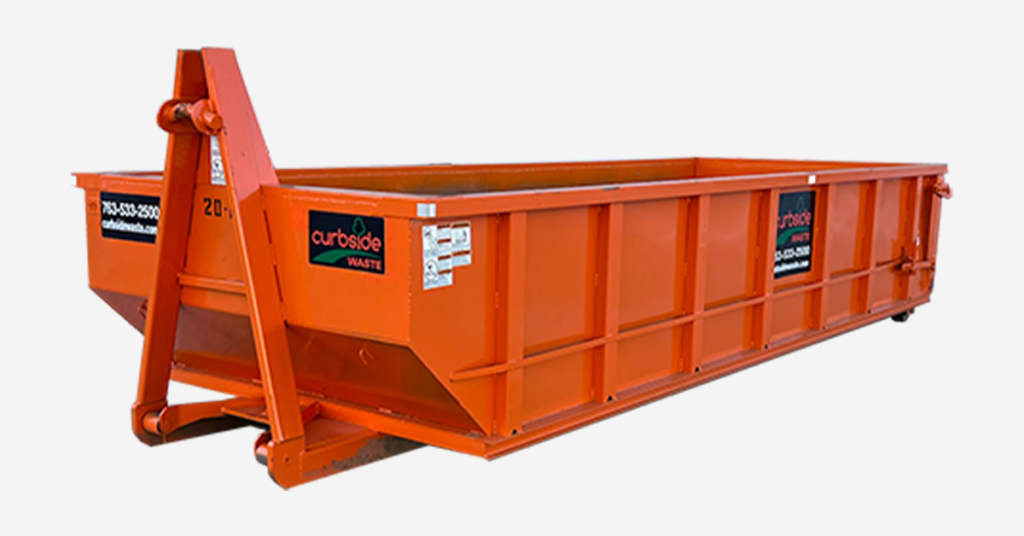
Renovation work can turn a clean space into a pile of drywall, flooring, cabinets, wood, fixtures, and other debris. A roll-off dumpster gives that waste one clear place to go while the project moves forward. Dumpsters for renovation debris Minneapolis offer a practical option for homeowners, contractors, and businesses handling larger renovation loads.
When Does Renovation Debris Need A Dumpster?
Not every home project needs a roll-off dumpster. Replacing a light fixture or painting one room may create only a small amount of waste. A larger remodel can produce far more debris than regular trash containers can handle.
A dumpster makes sense when you expect:
- Old drywall and flooring
- Cabinets, countertops, and shelving
- Roofing materials and shingles
- Wood from framing or demolition
- Bathroom fixtures and other bulky materials
- Debris from a full-room or whole-home remodel
The key is volume. If debris will keep building for several days, a roll-off container can keep the work area from becoming crowded.
Renovation Projects That Benefit From Roll-Off Service
Different renovation jobs create different types of waste, but the cleanup challenge is often similar. Contractors need a place to put debris as they tear out old materials. Homeowners need a way to keep bulky waste from taking over the driveway or garage.
Roll-off dumpsters can work well for:
- Kitchen and bathroom renovations
- Basement and garage remodeling
- Flooring replacement
- Roofing projects
- Office and retail renovations
- Property turnover and unit cleanouts
- Construction and demolition work
For contractors, the container can stay on-site while crews work through demolition and cleanup. For homeowners, it can reduce the need for repeated trips to a disposal site.
How Do You Choose The Right Dumpster Size?
Choosing the right size comes down to the amount and type of debris your project will create. Curbside Waste offers 10-, 15-, 20-, 30-, and 40-yard roll-off options, giving customers several ways to match the container to the job.
A rough starting point looks like this:
- 10-yard: Smaller remodels, bathroom projects, or limited cleanouts
- 15-yard: Moderate renovation debris from a few rooms
- 20-yard: Larger home remodeling projects
- 30-yard: Major renovations with a heavier debris load
- 40-yard: Large construction, demolition, or extensive cleanout work
Do not pick a container based only on how large the project sounds. The material also matters. Dense debris can fill a dumpster quickly, while bulky but lighter materials can take up more space.
If you are unsure, explain the project, materials, and expected amount of waste when requesting a dumpster. That gives the provider useful details for recommending a suitable size.
Plan The Dumpster Location Before Work Begins
Dumpster placement can affect both convenience and delivery. You need enough room for the truck to access the property and place the container safely.
Before delivery, look at:
- Driveway or parking space
- Truck access
- Overhead wires and tree branches
- Nearby vehicles
- Gates and other access points
- The path workers will use to carry debris
A location close to the renovation area can save time during cleanup. But it should not block garage access, create a traffic problem, or interfere with daily activities.
It also helps to think about pickup before the dumpster arrives. Keep the access path clear so the provider can remove the container when the project reaches the cleanup stage.
Know What Materials Your Dumpster Can Handle
Renovation debris can include a wide mix of materials, but you should not assume every item belongs in the same container. Disposal rules can vary based on the material and local requirements.
Common renovation waste may include drywall, wood, flooring, cabinets, fixtures, and general construction debris. Some materials may require separate handling or special disposal.
Before loading the dumpster, ask about restricted materials. This step can prevent a rejected pickup, extra charges, or an avoidable disposal issue.
It also helps to keep hazardous or questionable materials separate until you confirm how to handle them.
A Roll-Off Dumpster Can Simplify The Daily Cleanup
Renovation cleanup works better when debris has a clear destination. Instead of creating several piles around the property, workers can move waste directly into the dumpster.
That can help with:
- Keeping walkways clearer
- Reducing loose debris around the job site
- Making end-of-day cleanup faster
- Giving contractors one central disposal point
- Keeping bulky materials out of regular trash carts
There is also a practical scheduling benefit. A dumpster lets the crew remove debris as the work progresses instead of waiting until the entire renovation ends.
That matters during demolition. Old cabinets, flooring, drywall, and other materials can quickly eat up available space.
Can You Keep Regular Trash Service During A Renovation?
Yes. A roll-off dumpster and regular trash service can serve different purposes.
Your normal trash collection handles everyday household or business waste. The roll-off handles the temporary surge created by the renovation.
Keeping both services can make sense when you still have normal trash, recycling, or organics to dispose of while the project creates construction debris.
This separation also keeps renovation waste from overwhelming your normal containers. So you can continue your usual collection schedule while using the dumpster for the project itself.
Avoid These Common Dumpster Rental Mistakes
A few planning mistakes can make renovation cleanup harder than it needs to be.
Watch out for these issues:
- Waiting until demolition starts: Last-minute scheduling can make debris pile up before the container arrives.
- Guessing the size: An undersized dumpster may require another container or an extra pickup.
- Ignoring material rules: Restricted items can create disposal problems.
- Choosing a poor location: Limited truck access can complicate delivery and pickup.
- Filling beyond the safe level: Keep debris within the provider’s loading requirements.
If you need fast dumpster rentals for renovations Minneapolis, provide clear details about the project, debris type, estimated volume, location, and preferred delivery date. Good information helps the provider understand what you actually need.
Match Your Dumpster To The Work Ahead
A renovation dumpster should fit the way your project actually works. A small bathroom update has different waste needs from a full basement remodel or commercial renovation. Choosing based on debris volume, material type, job duration, and available placement space can make the rental more useful.
It also helps to plan the dumpster before demolition begins. That way, crews have somewhere to put old materials as soon as they come out. You avoid turning a driveway, garage, yard, or hallway into a temporary debris pile.
The goal is simple: keep the renovation moving without letting waste slow the crew down.
In Closing
Renovation projects already involve enough decisions. Waste should not become another headache. The right dumpster gives your crew or household a dedicated place for debris throughout the job.
Curbside Waste provides 10-, 15-, 20-, 30-, and 40-yard roll-off dumpsters for renovations, remodeling, roofing, construction, cleanouts, and demolition projects. The locally owned, family-operated company serves the Greater Minneapolis–St. Paul area with flexible waste services. For dumpsters for renovation debris Minneapolis, choose a container that fits your project and schedule delivery around the work ahead.
Frequently Asked Questions
(1) What Size Dumpster Do I Need For A Home Renovation?
The right size depends on your renovation scope, debris type, material weight, and the amount of waste your crew expects.
(2) Can I Use A Dumpster For Kitchen And Bathroom Remodeling?
Yes, roll-off dumpsters can handle common remodeling debris such as drywall, cabinets, flooring, wood, and fixtures.
(3) When Should I Schedule A Dumpster For Renovation?
Schedule your dumpster before demolition starts so workers have a designated place for debris from the beginning.
(4) Can I Keep My Regular Trash Service During Renovation?
Yes, regular trash collection can handle everyday waste while the roll-off dumpster handles temporary renovation debris.
(5) What Should I Check Before Dumpster Delivery?
Confirm the placement area, truck access, overhead clearance, expected debris volume, rental timing, and materials accepted by the provider.