

Construction schedules often look solid before work begins. Then demolition starts, debris appears, and work areas become tighter every day. Crews spend time moving materials, clearing pathways, and working around waste instead of focusing on the build itself. That shift happens faster than most people expect. A planned approach to waste disposal for construction helps prevent those disruptions before they affect productivity, safety, and project timelines.
Why Construction Waste Starts Affecting Work Before The Dumpster Looks Full?
Most people assume waste becomes a problem only after large piles appear. The reality looks different. A few stacks of drywall scraps can reduce walking space. Old flooring can block access routes. Packaging materials can spread across active work zones. None of these issues seems serious on its own. However, together they slowly reduce efficiency across the site. That is why waste planning should start before debris becomes visible everywhere.
How A Single Debris Pile Can Disrupt Multiple Trades?
Construction projects rely on coordination. Electricians, plumbers, framers, flooring installers, and painters often work within the same project timeline. One poorly managed waste area can affect everyone. A blocked hallway delays material movement. A crowded room limits workspace. A debris pile forces crews to relocate tools and supplies. One obstacle often creates several small disruptions throughout the day. Planned disposal helps keep work zones accessible for every trade involved.
Why Productive Crews Spend Less Time Working Around Debris?
Every construction team works against the clock. The goal is not simply to finish tasks. The goal is to finish them efficiently. Workers lose valuable time when they must:
- Move debris before starting work
- Create temporary storage areas
- Relocate materials repeatedly
- Clear pathways throughout the day
Those interruptions may seem minor. Yet they often repeat dozens of times during a project. A cleaner site allows crews to stay focused on construction rather than cleanup.
Why Construction Waste Changes Shape From One Project Phase To The Next?
Waste does not remain the same throughout a project. Demolition creates heavy debris. Framing creates wood scraps. Roofing produces shingles and packaging. Interior finishing generates drywall pieces, flooring materials, and trim waste. Each phase introduces different disposal demands. A disposal strategy that works during demolition may not support later stages. That is why successful projects adjust waste management as the project evolves.
What Small Cleanup Delays Add Up To By Project Completion?
Five minutes rarely feels important. Ten minutes seems manageable. However, construction projects consist of hundreds of small activities. Repeated cleanup interruptions can slowly reduce productivity. Consider how often crews stop to:
- Move discarded materials
- Clear loading zones
- Create temporary pathways
- Rearrange cluttered workspaces
Those moments accumulate over weeks of construction activity. A planned disposal system helps remove those hidden productivity drains.
Why Minneapolis Construction Dumpsters Become A Central Part Of Jobsite Flow?
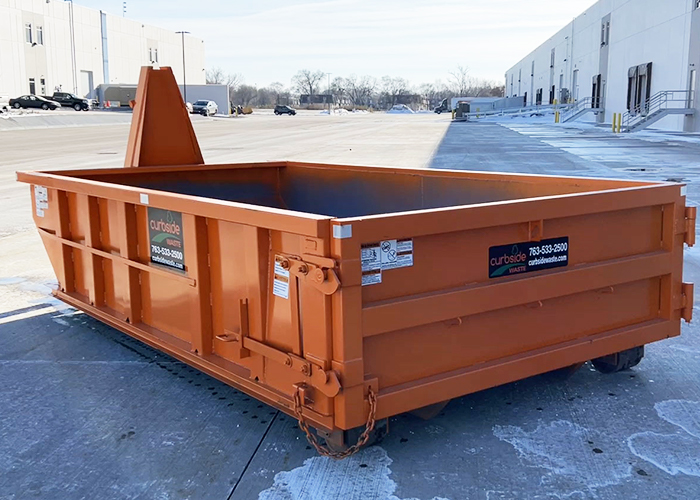
Every successful construction project depends on movement. Workers move. Materials move. Equipment moves. Debris should move too. That is where Minneapolis construction dumpsters become valuable. Instead of creating multiple disposal piles across the property, crews gain one dedicated location for construction waste. This keeps work areas cleaner and easier to manage. It also reduces confusion because everyone knows exactly where debris belongs. The result is a smoother workflow from start to finish.
How Debris Creates Risks Long Before It Creates Complaints?
Safety problems rarely appear without warning. Most begin with small issues. Loose materials collect near walkways. Discarded scraps remain near workstations. Access routes become narrower. Then the risks increase. Workers navigate around obstacles more often. Equipment operators have less room to maneuver. Material deliveries become harder to manage. Planned waste disposal reduces those risks before they affect daily operations.
Why The Best Waste Management Decisions Happen Before The First Wall Comes Down?
Experienced contractors understand something important. Waste management works best when planning happens early. Waiting until debris appears often creates unnecessary challenges. A stronger approach begins before demolition starts. Questions worth answering include:
- How much waste will the project create?
- Where should disposal containers sit?
- Which areas require clear access?
- How often should waste leave the site?
Those decisions support smoother operations from the beginning.
How Waste Planning Protects The Schedule From Small Daily Disruptions?
Large project delays attract attention. Small delays often go unnoticed. Yet small delays happen more frequently. A blocked work area can slow a crew. An overflowing waste pile can affect material deliveries. Limited access can delay inspections or equipment movement. Waste planning helps reduce those interruptions. The project stays organized. Crews stay productive. Schedules remain easier to manage.
Why Planned Waste Disposal Supports Better Construction Outcomes?
Waste disposal is not just about removing debris. It supports every activity happening around it. Clean work zones improve visibility. Organized sites improve coordination. Reliable disposal systems reduce distractions. Construction projects function more effectively when waste has a clear destination from the start. That is why disposal planning should be viewed as part of project management rather than an afterthought.
In Closing
Construction projects run more smoothly when waste disposal for construction becomes part of the plan instead of a reaction to growing debris. Organized disposal systems help protect productivity, improve safety, support scheduling, and keep work areas functional throughout every phase of the project.
Curbside Waste provides practical waste collection and dumpster rental solutions designed for real construction environments. From demolition debris to ongoing project cleanup, the focus stays on helping crews maintain organized and efficient jobsites. When construction waste needs a reliable destination, we deliver the containers and support that help projects keep moving forward without unnecessary delays.
Frequently Asked Questions
- Why is waste disposal important for construction projects?
Proper waste disposal keeps jobsites organized, improves safety, reduces delays, and helps crews work more efficiently every day. - When should waste management planning start on a construction project?
Waste management planning should start before demolition begins so debris never interferes with workflow, safety, or scheduling. - How do construction dumpsters improve jobsite productivity?
Construction dumpsters create one disposal location, reduce clutter, improve access, and help crews stay focused on work. - What types of waste can construction dumpsters handle?
Construction dumpsters commonly handle demolition debris, wood scraps, drywall, roofing materials, flooring waste, and packaging. - Can poor waste management cause project delays?
Yes. Poor waste management creates blocked work areas, slows material movement, and increases daily operational disruptions.