

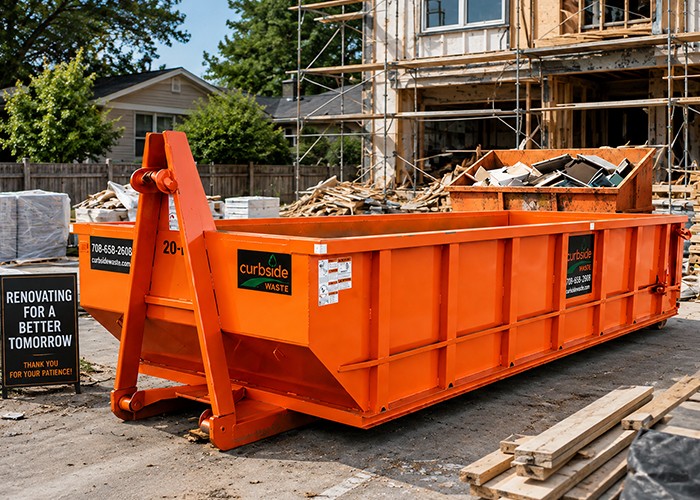
A commercial job can create a lot of waste in a short time. Roofing comes off, walls get torn out, old fixtures leave the building, and boxes pile up. Without a disposal plan, that waste can take over the work area. For businesses looking for commercial roll-off dumpster rentals Minneapolis, a temporary roll-off container gives crews one practical place for approved project waste.
Why Does a Commercial Job Site Need a Roll-Off Dumpster?
Commercial work rarely creates waste in one big pile at the end.
A remodeling crew may remove flooring one day, tear out drywall the next, and clear old fixtures later. A roofing crew can fill a container with shingles and other roofing debris as the work moves along.
Without a dumpster, workers may need to load waste into trucks and make repeated trips to a disposal site. That takes time away from the actual job.
A roll-off dumpster keeps project waste in one place. The crew can load it as work continues, then arrange pickup when the container is ready.
This setup can work well for:
- Commercial remodeling
- Building cleanouts
- Roofing projects
- Construction work
- Property renovations
- Demolition-related cleanup
- Tenant turnover projects
For a property manager, it can also make a large cleanout easier to control. Instead of having loose debris spread across a property, the crew has one main place to put it.
What Materials Can Go Into a Commercial Roll-Off Dumpster?
The answer depends on the material and the provider’s disposal rules.
Common project waste may include wood, drywall, roofing debris, packaging, and other approved construction materials. However, a roll-off dumpster should not become a catch-all container for every unwanted item.
Some waste needs separate handling. Hazardous materials, certain chemicals, and other restricted items may not belong in a standard roll-off dumpster.
So, ask before loading anything you are unsure about.
This matters on busy commercial sites because several workers and subcontractors may use the same container. Give the crew clear instructions before work begins.
That simple step can help prevent rejected materials, extra charges, and delays.
It also helps to keep waste inside the container rather than piling it around the sides. A crowded work area can make loading harder and create another problem for the crew to deal with.
How Should You Choose the Dumpster Size for Your Project?
A roofing contractor can estimate the amount of material coming off the roof. A remodeling contractor can look at the flooring, drywall, cabinets, fixtures, and other materials that will leave the building.
A property manager handling a commercial cleanout may need to account for furniture, equipment, boxes, and general debris.
The work schedule matters, too.
If a crew expects to fill a container within a few days, pickup timing becomes important. If the project will run for several weeks, the rental plan may need to cover a longer period.
The goal is to get enough space for the job without taking up more room than necessary.
Job-Site Placement Can Affect the Whole Rental Process
A dumpster needs more than an empty patch of ground.
The delivery truck needs a clear route to the placement area. The site also needs enough room for the container and the truck to maneuver.
Before delivery, check for:
- Low tree branches
- Overhead wires
- Narrow gates
- Tight driveways
- Parked vehicles
- Soft or unstable ground
- Equipment blocking access
Commercial sites can change from one day to the next. A space that looks clear during planning may become crowded once materials, lifts, trucks, and other equipment arrive.
Tell the dumpster provider about access limits before delivery. If the container will sit on private property, check with the property owner or manager as needed.
You should also think about how workers will load it. The container should sit close enough to the work area to make loading practical, while still leaving room for people and equipment to move safely.
What Affects the Cost of a Commercial Roll-Off Rental?
Dumpster size is only one part of the price.
The total cost can depend on the container size, rental period, delivery location, waste type, pickup needs, and disposal requirements.
So, don’t compare quotes by looking at the first number alone.
Ask what the quote covers. A clear conversation can help you understand the actual cost before the container arrives.
Find out about:
- Container size
- Rental period
- Delivery
- Pickup
- Accepted materials
- Disposal charges
- Additional fees, if any
For example, a short commercial cleanout may have different costs from a longer construction project. The waste itself can also affect disposal costs.
Knowing these details early makes budgeting easier. It also gives you a fairer way to compare providers.
Commercial Projects Benefit From a Planned Waste Schedule
A dumpster works best when it matches the project schedule.
Imagine a three-week building renovation. The crew may create little waste during the first few days. Then demolition starts, and the waste level jumps quickly. Later, the amount may drop as the team moves into finishing work.
That pattern can affect when you need delivery and pickup.
If the dumpster fills before the demolition phase ends, workers may have nowhere convenient to put new debris. That can slow the job and take up valuable space.
Plan for the busiest part of the project, not just the average day.
It also helps to talk with the crew about loading. Keep materials inside the container and follow the provider’s fill rules. Don’t let debris spill over the top or build up around the container.
A simple waste plan can prevent a small disposal issue from turning into a job-site headache.
Local Dumpster Service Can Simplify Twin Cities Projects
Businesses across the Minneapolis–St. Paul area handle all kinds of projects. A restaurant remodel looks different from a warehouse cleanout. A roofing job has different waste from an office renovation.
Local service can help because the provider understands the area it serves and can coordinate delivery and pickup for nearby projects.
Businesses looking for commercial roll-off dumpsters Minneapolis may need more than a container. They may also need help choosing a size, checking accepted materials, planning placement, and arranging pickup around the job schedule.
Companies provide roll-off dumpster rentals as part of a broader waste-management business. The company also handles commercial trash collection, recycling, organics, yard waste, and public waste drop-off services.
That wider service range can be useful for businesses that need ongoing waste collection after a temporary project ends.
Bottom Line
A roll-off dumpster will not handle every type of waste. But when a commercial project creates a large amount of approved debris, it can give your crew a simple way to manage that waste as the work moves forward. Start by estimating the waste. Then choose a suitable container, confirm which materials the provider accepts, check the delivery area, and plan pickup around the project schedule.
If you need commercial roll-off dumpster rentals Minneapolis, Curbside Waste offers roll-off containers alongside its broader local waste-management services. We serve businesses and communities across the twin cities with practical waste collection and disposal options. If you’re handling construction, renovation, roofing, or a commercial cleanout, a planned dumpster setup can help keep waste from getting in the way of the work.
Frequently Asked Questions
- How Much Does a Commercial Roll-Off Dumpster Cost?
Costs vary by size, rental period, delivery location, waste type, pickup needs, and disposal requirements.
- Which Roll-Off Dumpster Size Fits Your Job Site?
Choose based on project size, waste volume, materials, and how quickly your crew expects to fill it.
- Can You Put Roofing Waste in a Roll-Off Dumpster?
Roofing debris may qualify, but always confirm accepted materials and disposal rules before loading the container.
- How Long Can You Keep a Commercial Roll-Off Dumpster?
Rental periods vary by project and provider, so confirm the available timeframe when scheduling your dumpster.
- Where Can a Roll-Off Dumpster Be Placed on a Job Site?
Place it where delivery trucks can access safely, with enough room for loading and nearby equipment movement.