

Organics Recycling Information
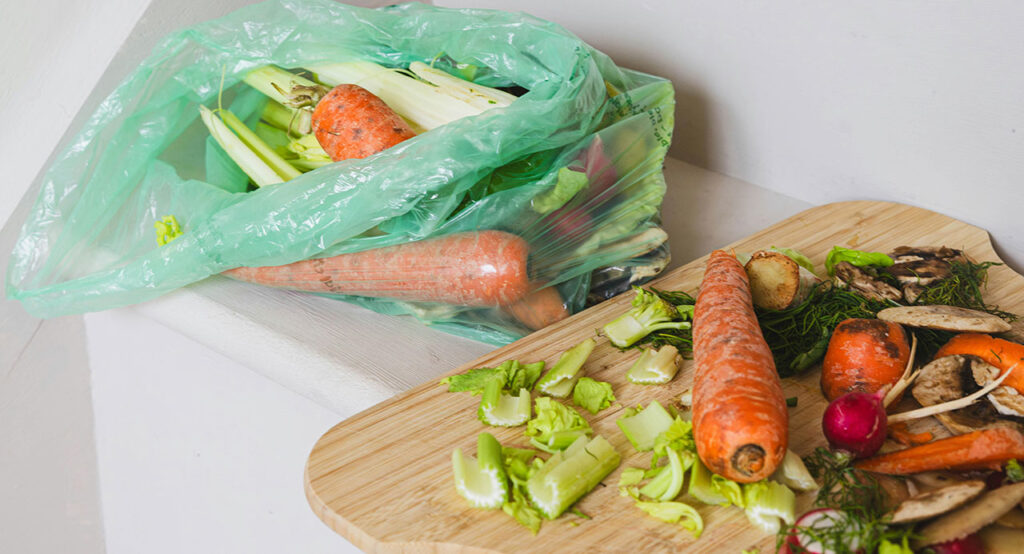
Organic recycling plays a critical role in reducing landfill waste, protecting the environment, and creating valuable resources from everyday food and compostable materials. Below you’ll find helpful information about organic waste recycling in Minnesota, including what qualifies as organic waste, why it matters, and what can (and cannot) go in your organics container.
MPCA Organics Statute & Local Guidelines
Minnesota’s organics recycling requirements are guided by the Minnesota Pollution Control Agency (MPCA), along with county-level programs such as the Hennepin County Organics Recycling Guide. These guidelines outline best practices, accepted materials, and contamination prevention to ensure organics are processed properly.
What Is Organic Waste?
Organic waste is any material that is biodegradable—meaning it can be broken down naturally by bacteria, microorganisms, or other living organisms.
Common examples include:
- Food scraps
- Food-soiled paper
- Certified compostable products
- Certain household compostables
Why Is Organic Recycling Important?
It is estimated that by 2050, the United States could face severe landfill capacity shortages. While waste-to-energy solutions exist, they are costly, limited in scale, and can create additional environmental concerns, as seen with facilities like the Hennepin Energy Recovery Center.
Garbage will always exist—but organic recycling is one of the easiest and most effective ways to reduce landfill waste.
According to the Minnesota Pollution Control Agency, “Organic materials, including food and compostable packaging, make up about 25 percent of the trash stream.”
- By diverting organic waste to composting facilities, we can:
- Reduce landfill volume
- Lower greenhouse gas emissions
- Extend landfill lifespan
- Support sustainable waste management
What Happens to Composted Organic Waste?
According to the U.S. Environmental Protection Agency (EPA), compost improves soil health and helps address topsoil loss and erosion—issues that negatively impact water quality and agricultural productivity.
Uses for Compost Include:
- Agriculture and horticulture
- Landscaping and nursery operations
- Home gardens (vegetable and flower)
- Sod production and roadside projects
- Wetlands creation and land reclamation
- Green infrastructure and stormwater management
- Sports fields and golf courses
- Erosion and sediment control
- Organic recycling also supports green jobs throughout the organics recovery cycle.
Organic Waste & Renewable Energy (Biogas)
Organic waste can also be processed through anaerobic digestion, a system where organic materials break down in an oxygen-free environment. During this process, biogas—a renewable form of natural gas—is captured and used for energy, similar to conventional natural gas.
Organic Waste vs. Yard Waste: What’s the Difference?
Organic waste recycling and yard waste recycling are not the same process and cannot be combined.
Organic waste is processed at specialized composting or anaerobic digestion facilities
Yard waste is processed separately
Minnesota does not currently allow co-mingling of organics and yard waste
Please keep these materials separate. For more information, refer to the yard waste section on our residential services page.
What Is Accepted in Your Organics Container?
Food Scraps
- Fruits and vegetables
- Meat, fish, and bones
- Dairy products
- Eggs and eggshells
- Pasta, beans, and rice
- Bread and cereal
- Nuts and shells
Food-Soiled Paper
- Pizza boxes from delivery
- Napkins and paper towels
- Paper egg cartons
Certified Compostable Products (Look for BPI or approved compostable certification)
- Plates
- Cups
- Bowls
- Takeout containers
- Utensils
Other Compostable Household Items
- Coffee grounds and filters
- Hair and nail clippings
- Tissues
- Cotton balls and swabs with paper stems
- Houseplant trimmings and flowers
- Wooden items such as chopsticks, popsicle sticks, and toothpicks
What CANNOT Go in Your Organics Bin
The following items are not accepted and will contaminate organics loads:
- Yard waste
- Bandages
- Diapers and sanitary products
- Animal or pet waste, litter, or bedding
- Cleaning wipes or baby wipes
- Grease or oil
- Styrofoam
- Dryer lint and dryer sheets
- Recyclables (glass, metal, paper, plastic, cartons)
- Shredded paper
- Frozen food boxes
- Microwave popcorn bags
- Gum
- Fast food wrappers
- Products labeled “biodegradable”
- Wax paper or parchment paper (unless labeled BPI certified)
- Learn More About Organics Recycling
For additional guidance and official resources, please visit:
Hennepin County Organics Recycling Guide
Minnesota Pollution Control Agency – Organics & Composting
https://www.pca.state.mn.us/air-water-land-climate/composting-and-managing-organic-waste